
As an Amazon Associate, we earn from qualifying purchases. Buying through our links costs you nothing extra.
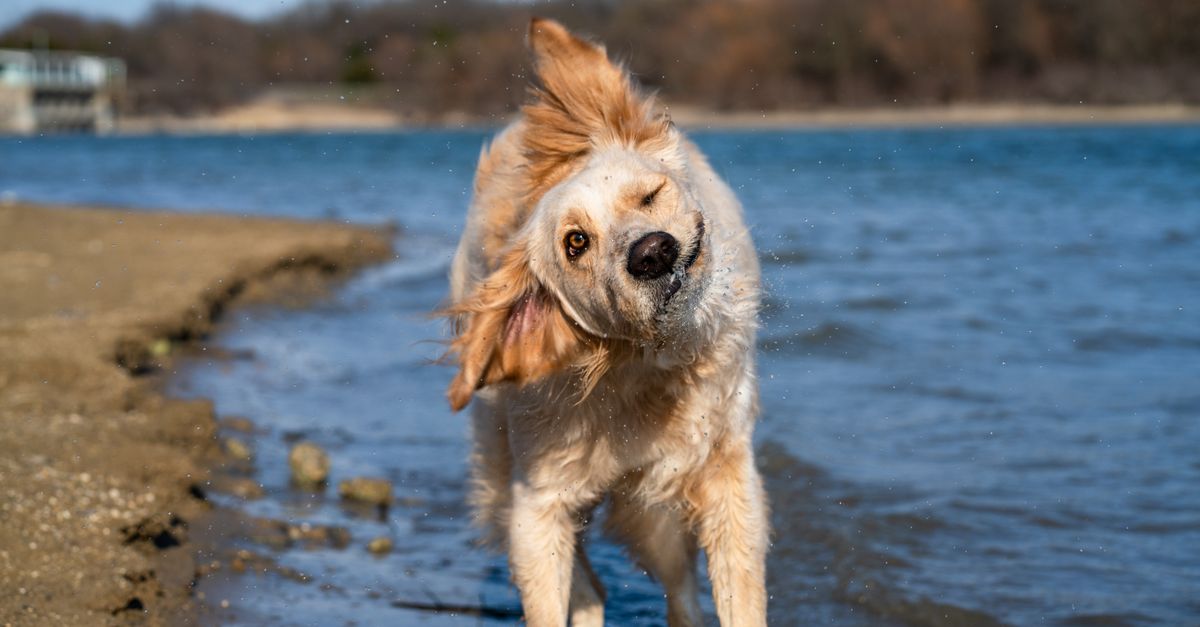
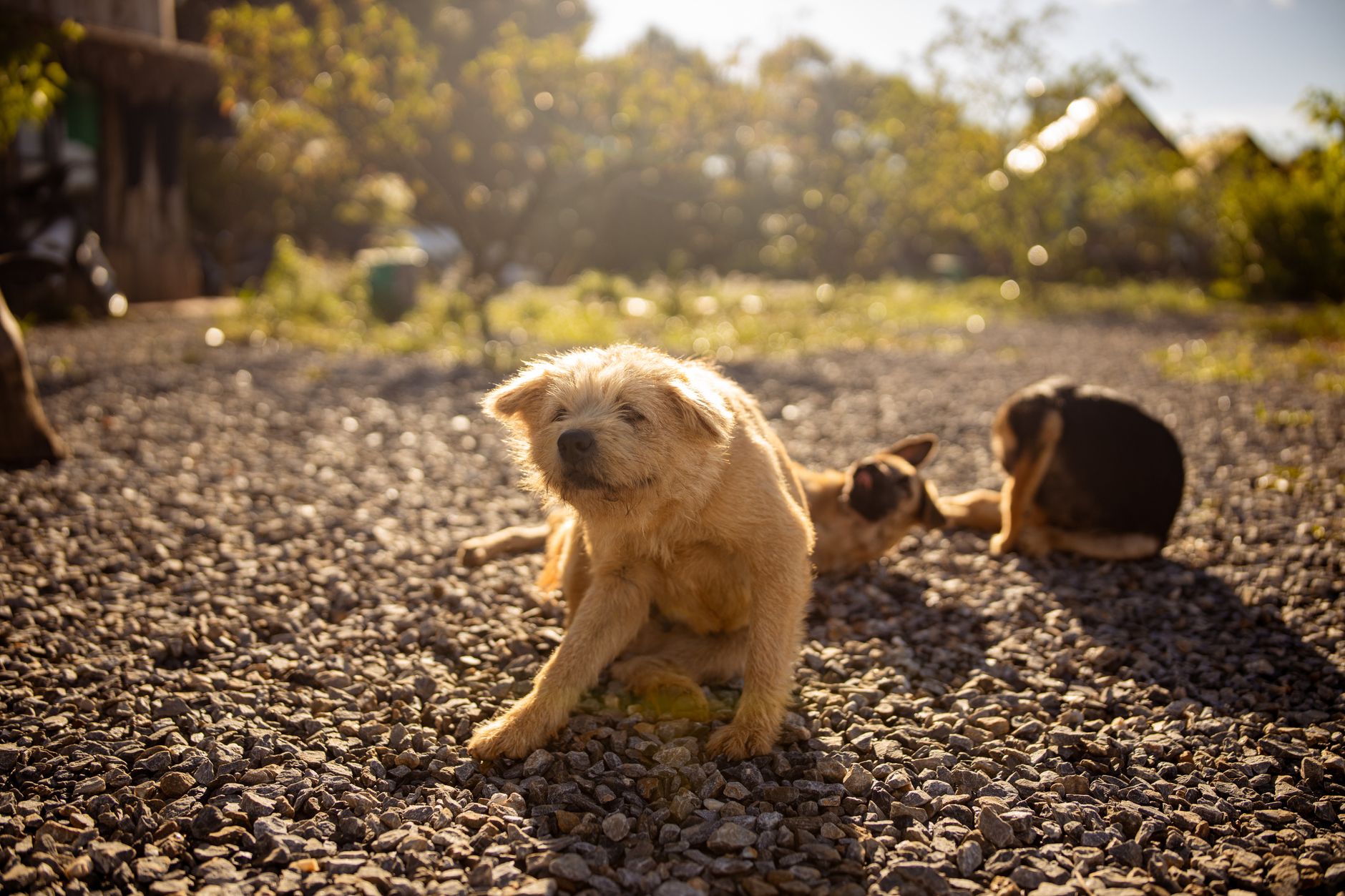
If you see your dog shaking head and scratching ears again and again, the behavior almost always points to irritation, infection, or a parasite inside the ear canal. This article explains the most common causes and gives dog owners clear, vet-backed steps to act on today.
Quick fixes
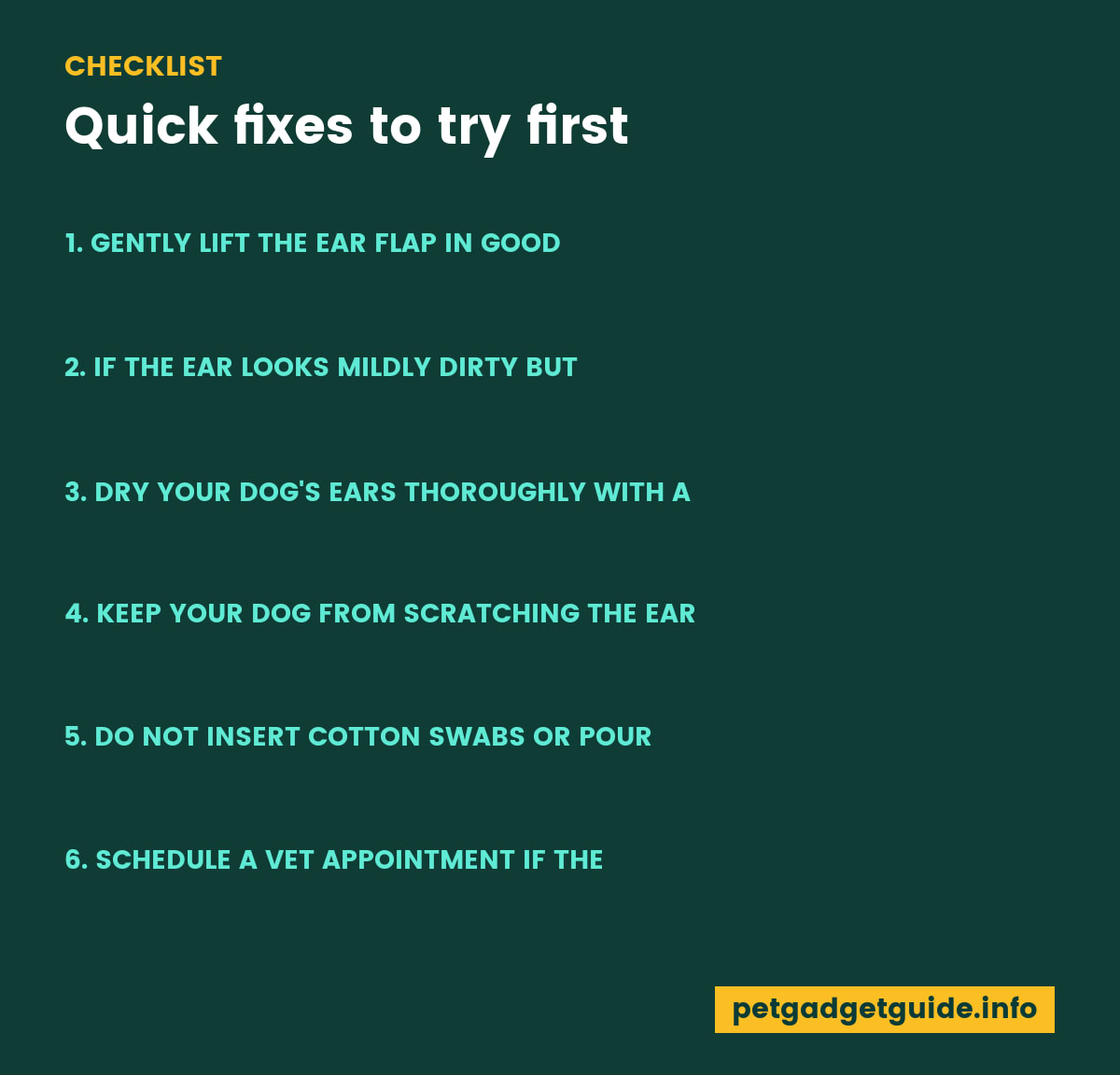
- Gently lift the ear flap in good light and look for redness, dark debris, swelling, or discharge before doing anything else.
- If the ear looks mildly dirty but there is no odor, pain, or discharge, wipe the outer ear with a vet-approved ear-cleaning wipe or solution.
- Dry your dog’s ears thoroughly with a soft cloth after every swim or bath to remove trapped moisture.
- Keep your dog from scratching the ear raw — a soft e-collar (cone) prevents self-injury while you arrange a vet visit.
- Do not insert cotton swabs or pour anything into the ear canal if you see redness, thick discharge, or blood.
- Schedule a vet appointment if the shaking or scratching continues for more than 24 hours, or if any warning signs appear.
Why it happens
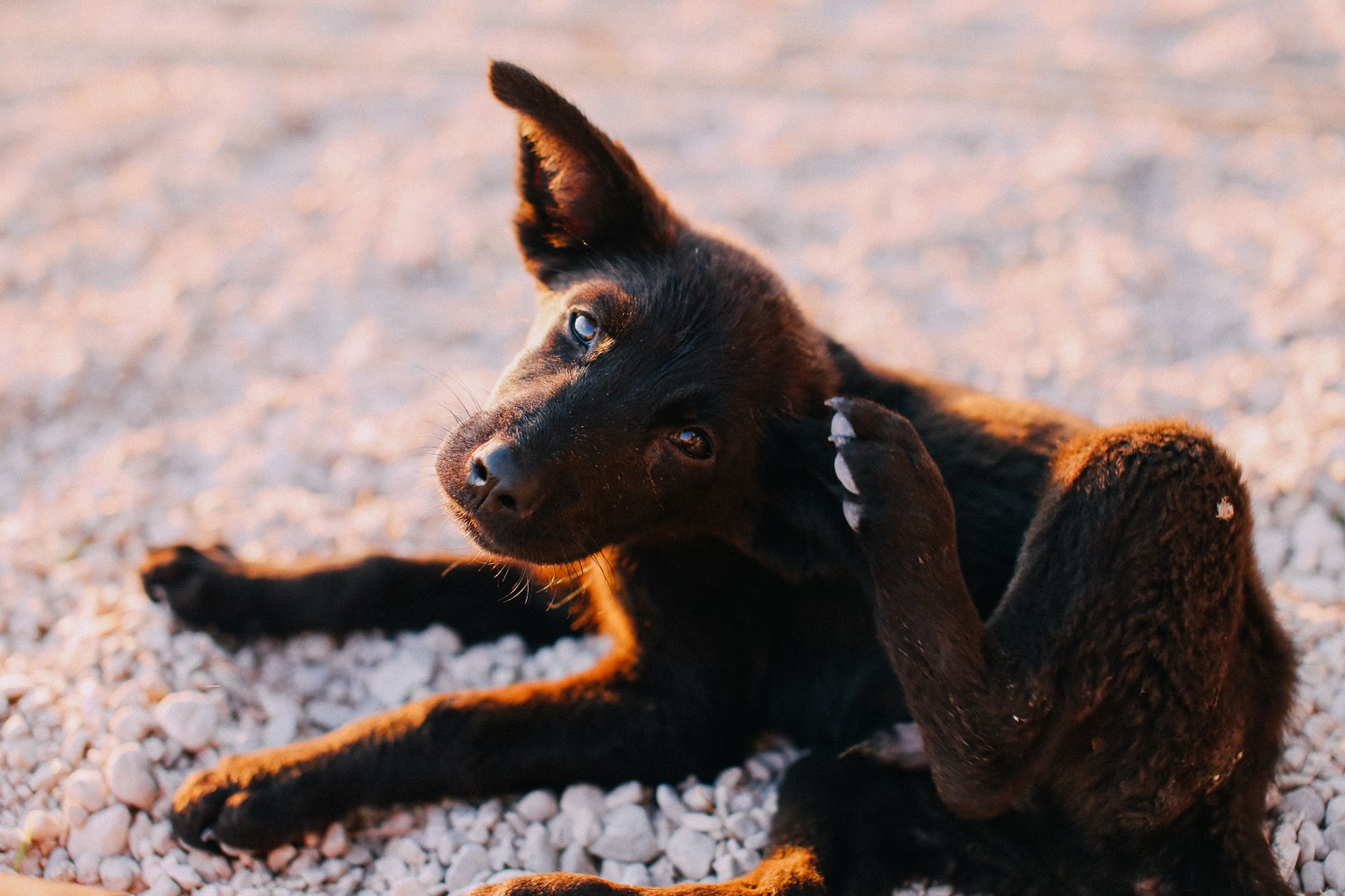
Understanding the cause matters because the same picture — a dog shaking head and scratching ears — can come from five very different problems that each need a different fix.
Ear infections (bacterial or yeast)
Infection is the cause vets see most often. A dog’s ear canal is long and bends partway down, so wax, moisture, and debris collect where air cannot dry them out. Bacteria and yeast multiply in that warm, damp pocket, the skin lining the canal becomes inflamed, and the itch drives the shaking and scratching.
Look for redness, swelling, a sour or yeasty smell, and brown, black, or yellow discharge. Infections that are left alone can get much worse. VCA Hospitals notes that repeated violent shaking can burst small blood vessels in the ear flap and cause an aural hematoma, a swollen, fluid-filled flap that usually needs surgery, and deep infections can damage the eardrum and affect hearing.
Breeds with floppy ears — Cocker Spaniels, Basset Hounds, Labrador Retrievers — face higher risk because their ear flaps limit airflow and trap moisture.
Allergies
Allergies are the second big cause, and often the hidden reason behind infections that keep coming back. The 2023 AAHA guidelines on allergic skin disease report that up to half of allergic dogs have ear inflammation, and that for some dogs it is the only sign of allergy. Triggers can be an ingredient in the food or something in the environment, such as pollen, dust mites, or mold. Allergic dogs often also lick their paws, rub their face on the carpet, or have itchy skin and patchy hair loss.
When both ears flare up at the same time, an allergy is a more likely starting point than a single ear problem.
Ear mites
Ear mites (Otodectes cynotis) are tiny parasites that feed on the skin and wax inside the ear. They spread by direct contact, so puppies and dogs that live with cats are the usual cases. The itch is intense, and mite-damaged ears often pick up a bacterial or yeast infection on top.
The typical sign is dry, dark, crumbly debris that looks like coffee grounds. Yeast infections can look similar, so a vet confirms mites by looking at a swab under the microscope before treating.
Water or debris trapped in the ear canal
Because the canal runs down and then turns inward toward the eardrum, water that gets in during a swim or bath has a hard time draining out. That leftover moisture is why water-loving dogs get so many ear infections, often called swimmer’s ear.
A few shakes right after a swim are normal. Shaking that continues for hours, or starts again the next day, suggests water is still trapped or an infection is starting. Dry the outer ear with a soft towel and leave the canal itself alone; cotton swabs push debris deeper.
Foreign objects
Grass awns and foxtails are the classic culprit after walks through long grass in summer and fall. A dog with something in the ear usually starts shaking suddenly and hard, often on one side only, and may tilt its head toward the bad ear. That violent shaking can also cause an aural hematoma. Do not try to dig anything out at home; awns are barbed and can work their way toward the eardrum, so this needs a vet.
How to fix it step by step
Step 1: Look before you touch.
In good light, gently fold the ear flap back and inspect the canal opening. Mild wax buildup (tan or brown, not excessive) is normal. Dark crumbly debris, yellow or green liquid, strong smell, or visible redness means you’re beyond basic cleaning — see a vet first.
Step 2: Check for pain.
Press gently on the area just below the ear canal. A normal ear is painless. A dog who winces, pulls away, or cries at gentle pressure has an infection or worse — don’t clean, go to the vet.
Step 3: Clean only if the ear looks mildly dirty and pain-free.
Apply a vet-approved ear-cleaning solution or wipe to the outer ear and ear flap. Do not use cotton-tipped applicators. Gently massage the base of the ear to help loosen any wax, then let your dog shake and wipe away the excess. Mildly dirty ears without signs of infection can sometimes be gently cleaned at home, but home cleaning does not treat an ear infection.
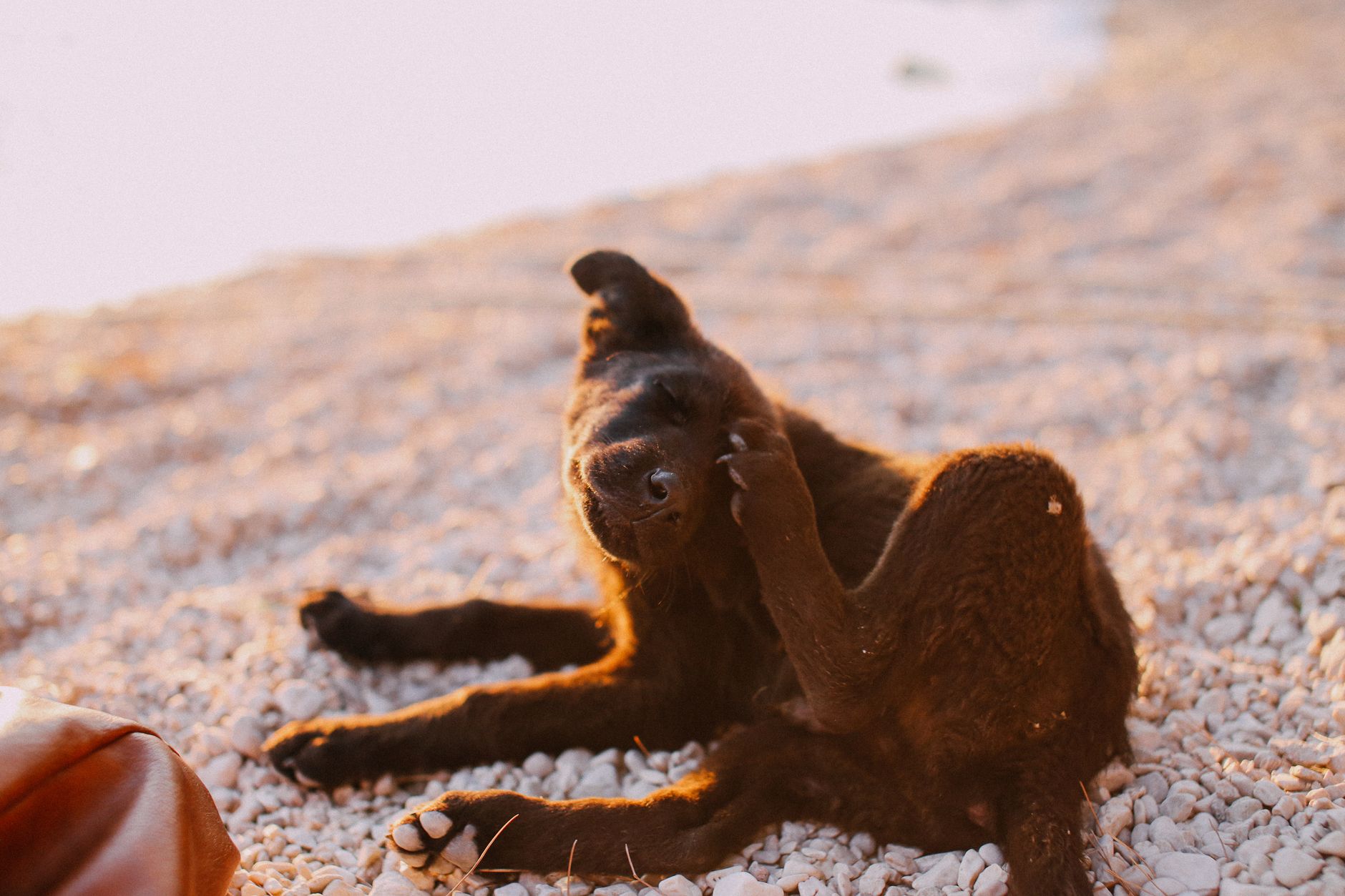
Step 4: Stop the self-injury cycle.
Constant scratching can break the skin behind the ear and make an infection worse. A cone (e-collar) stops the paw from reaching the ear until the vet visit. Some dogs tolerate a soft inflatable collar such as the Supet Inflatable Dog Cone Collar better than a hard plastic cone, although it protects the ears less on long-nosed dogs.
Step 5: Dry after every swim or bath.
Make drying part of the routine after every swim or bath: lift the flap, blot the outer ear with a soft towel, and let your dog shake. For dogs that get repeat swimmer’s ear, ask your vet about using a drying ear cleanser after water.
Step 6: See a vet if symptoms persist or worsen.
Real ear infections rarely go away without treatment, and over-the-counter cleansers do not cure them. If you see pain, redness, discharge, odor, or the scratching keeps going, book a vet visit. The vet will look into the canal, check the eardrum, and usually take a swab to see whether bacteria, yeast, or mites are involved, which decides the medication.
Safety note: Never apply any medication to the ear canal before a vet confirms there is no ruptured eardrum — some infections may involve a ruptured eardrum, and applying medication without a veterinary exam could cause hearing loss. Always consult a vet for persistent ear problems.
Gadgets that help
Best for routine ear maintenance: Pet MD Dog Ear Cleaning Wipes (100 ct)
Pre-moistened wipes are the easiest way to clean the outer ear and flap between baths, and they suit dogs that dislike liquid being squirted in. Pet MD’s wipes use an alcohol-free cleanser, so they should not sting healthy skin. The label lists them for dogs over 12 weeks old. They clean the visible part of the ear only; they do not reach into the canal and do not treat infection.
Skip it if: your dog has visible redness, discharge, pain, or a strong odor — those signs require a vet visit, not a wipe.
Check the current price on Amazon
Best for active or infection-prone dogs: Virbac Epiotic Advanced Ear Cleanser (4 oz or 8 oz)
Epiotic is a liquid ear cleanser that many vet clinics stock for routine cleaning. It has a neutral pH and is meant to loosen wax and debris so the dog can shake it out. Virbac’s directions call for use two to three times a week or as your vet advises, and say not to use it if the eardrum may be ruptured, which is one more reason to get a painful ear examined before cleaning it.
Skip it if: you suspect a ruptured eardrum, or if your dog’s ear is actively infected and painful — in either case, see a vet before using any cleanser.
Check the current price on Amazon (4 oz) | Check the current price on Amazon (8 oz)
For scratching while you wait for the vet: Supet Inflatable Dog Cone Collar
A soft donut-style collar that keeps the back paws away from the ears without the hard edges of a plastic cone. It suits short and medium muzzles best; dogs with long noses may still reach their ears.
See the Supet inflatable collar on Amazon
If your vet diagnoses an active infection: use the medicated ear treatment your vet prescribes, exactly as directed. Routine cleansers like the two above are for maintenance only and do not treat a bacterial or yeast infection.
When to see a vet
A dog ear infection usually needs veterinary treatment, especially when your dog has pain, redness, swelling, discharge, a strong odor, repeated head shaking, or a head tilt.
Book a same-day appointment if you notice:
- Frequent head shaking, scratching or pawing at the ears, brown, yellow, or other unusual discharge, a foul or musty odor, redness or swelling inside or around the ear, pain or yelping when the ear is touched, or the head tilted to one side.
- A suddenly swollen or hot ear flap — this may be an aural hematoma that needs assessment; do not try to drain it at home.
Go to an emergency vet immediately if:
- Your dog cannot stand, is walking in circles, has a drooping face or eyelid, is vomiting repeatedly, or has a bulging red mass inside the ear canal. Those signs can point to a deep infection that has spread to the inner ear or the nerves of the face, and that requires urgent in-person care.
- Head tremors, a rhythmic bobbing or shaking your dog cannot stop, are different from normal head shaking and usually come from the nervous system rather than the ear. Call your vet promptly.
If ear infections keep returning, the ear is usually not the real problem. Allergies, hormone disorders such as low thyroid, narrow or hairy ear canals, and frequent swimming are common underlying causes, and treating only the infection each time will not stop the cycle.
How We Researched This
We did not test any product in person for this guide. The causes, home steps and warning signs come from the veterinary sources listed below (VCA Hospitals, AAHA, AKC, Merck Veterinary Manual and others), and the product notes come from each manufacturer’s own directions. This article is general information, not a substitute for an exam by your veterinarian. Our method.
FAQ
Why does my dog shake its head and scratch its ears more at night?
A dog scratching its ear and shaking its head at night still needs the same assessment; the time of day does not identify the cause. Nighttime behavior often becomes more noticeable simply because the house is quiet. If the scratching is disrupting sleep or has lasted more than a day, schedule a vet visit.
Can I use hydrogen peroxide or rubbing alcohol to clean my dog’s ears?
No. Both are too harsh for the delicate skin lining the ear canal and can cause stinging and further damage, especially if the skin is already raw. Use only products specifically formulated and labeled for dog ear cleaning, and follow your vet’s guidance.
How do I tell the difference between ear mites and a yeast infection?
Both cause intense scratching and head shaking, but ear mites show up as dark brown debris, much like coffee grounds, in your dog’s ears. A yeast infection typically produces a brownish discharge with a distinctive musty or sweet odor. Only a vet can confirm the cause with a microscope swab, and the treatments are completely different, so do not guess.
Are some dog breeds more prone to this problem?
Yes. Dogs with heavy, floppy ears, such as Cocker Spaniels, Basset Hounds, and Beagles, have less airflow into the canal. Dogs with narrow or hairy canals, dogs that swim often, and dogs with allergies also have more ear trouble. Drying the ears after water and a regular check go a long way for these dogs.
Is it safe to clean my dog’s ears at home before a vet visit?
Do not clean the ears within 48 hours of a vet appointment — it removes the material the vet needs to make an accurate diagnosis via cytology. If a visit is coming up, skip the cleaning and let the vet examine the ear as-is.
Can food cause my dog’s ears to itch?
Yes. A food allergy can show up mainly as itchy ears, and so can reactions to fleas or pollen. If your vet suspects food, they may suggest a strict elimination diet for several weeks to find the trigger. Itching and anxiety can look alike, so if your dog is also chewing furniture, scratching at doors, or barking when left alone, see Dog Barking When Left Alone: 7 Steps to Quiet Departures, Why Does My Dog Chew Everything? How to Stop It and Dog Scratching at the Door All Day? Causes and Fixes.
Sources
1. VCA Hospitals — Ear Infections in Dogs (Otitis Externa)
2. VCA Hospitals — Inner Ear Infection (Otitis Interna) in Dogs
3. AAHA — 2023 Management of Allergic Skin Diseases in Dogs and Cats Guidelines
4. Virbac — Epiotic Advanced Ear Cleanser product page
5. AKC — Ear Infections in Dogs: Symptoms, Causes, Treatment, and Prevention
6. AKC — Ear Mites in Dogs: Signs, Symptoms, Treatment
7. Banfield — Dog ear infection: treat at home or see a vet?
8. MSPCA-Angell — Ear Scratching, Head Shaking, and Ear Discharge: Does Your Dog Have Otitis?
9. Merck Veterinary Manual — Otitis Externa in Animals
The Smart Dog Owner’s Gadget Checklist
20 gadgets worth owning, 8 to skip, and how to choose the right one — sent straight to your inbox.