
As an Amazon Associate, we earn from qualifying purchases. Buying through our links costs you nothing extra.
A self-cleaning litter box can save you daily scooping, but only if your cat agrees to use it. This guide compares five options, from app-connected drums for multi-cat homes to a no-motor box for nervous cats, and explains who should skip automation entirely.
Quick picks

- Best for multi-cat homes: PETKIT PuraMax 2
- Best open-top with health tracking: PETLIBRO AI Open-Top Litter Box
- Premium, established brand: Whisker Litter-Robot 4
- No app, no Wi-Fi: otoging AS11 Open-Top
- No motor at all: Omega Paw Roll ‘n Clean
Comparison table
| Box | Type | App | Best for |
|---|---|---|---|
| PETKIT PuraMax 2 | Rotating drum, sealed bin | Yes (2.4 GHz Wi-Fi) | 2–3 cats, per-cat tracking |
| PETLIBRO AI Open-Top | Open top, camera | Yes | Cats wary of enclosed boxes; waste monitoring |
| Litter-Robot 4 | Rotating globe | Yes | Owners who want a long track record |
| otoging AS11 | Open top, rake | No | One cat, simple setup |
| Omega Paw Roll ‘n Clean | Manual roll-over sifter | No | Motor-shy cats, small budgets |
Features are manufacturer claims from each listing, checked October 24, 2026.
Before you buy: will your cat use it?
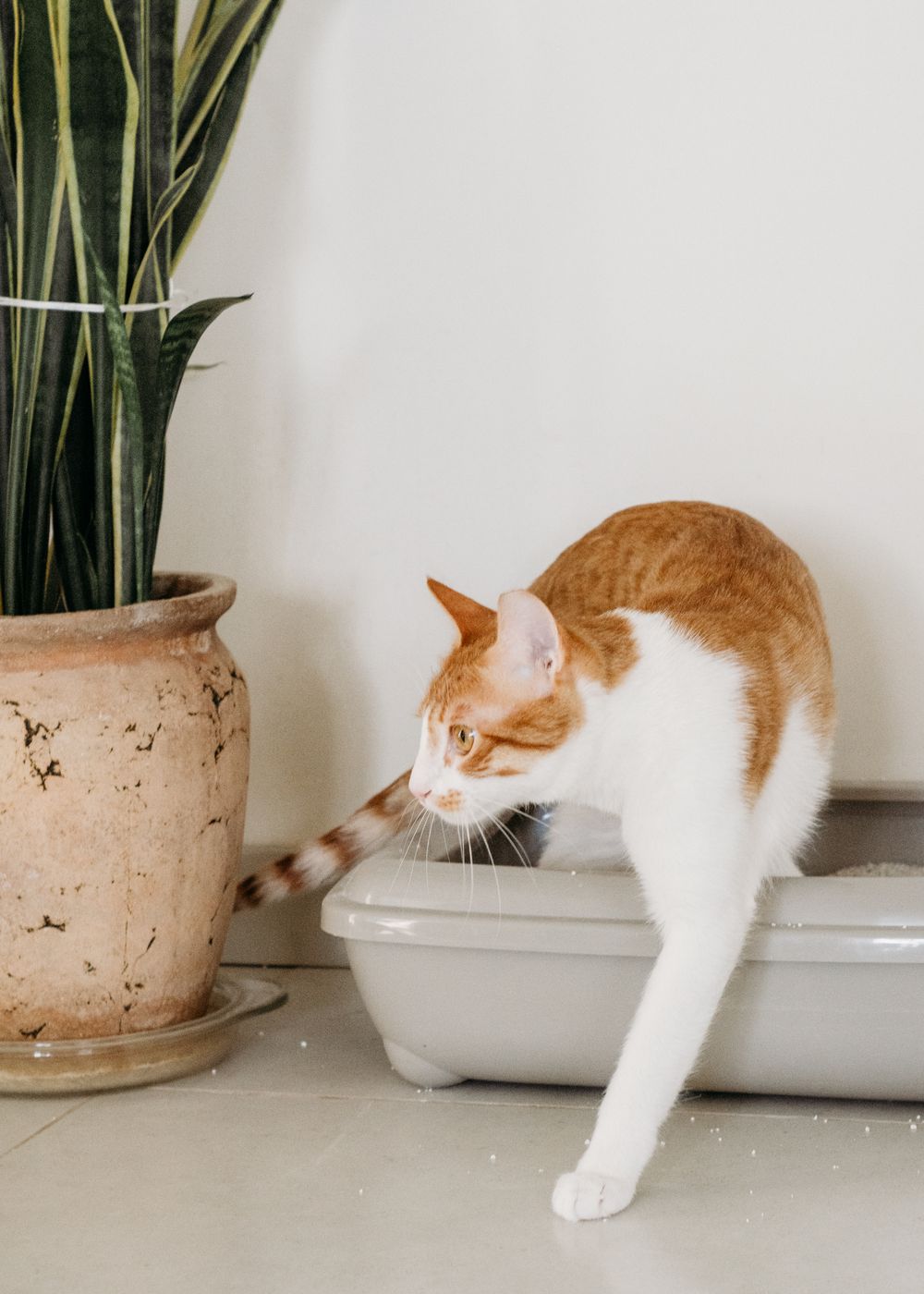
The biggest risk with any automatic box is not a mechanical fault but a cat that refuses to go near it. Motors, moving drums, and new smells can all put a cat off. A few rules make the switch much smoother:
- Keep the old box out at first. Put the new box next to the old one, leave it switched off for a few days, and let your cat use it as a normal box before turning on automatic cleaning.
- Use the same litter. Most automatic boxes need clumping litter. If you already use clumping litter, keep the same brand so only one thing changes.
- Watch the first week. If your cat starts going beside the box or elsewhere in the house, go back a step. Our guide to why a cat stops using the litter box covers what to check.
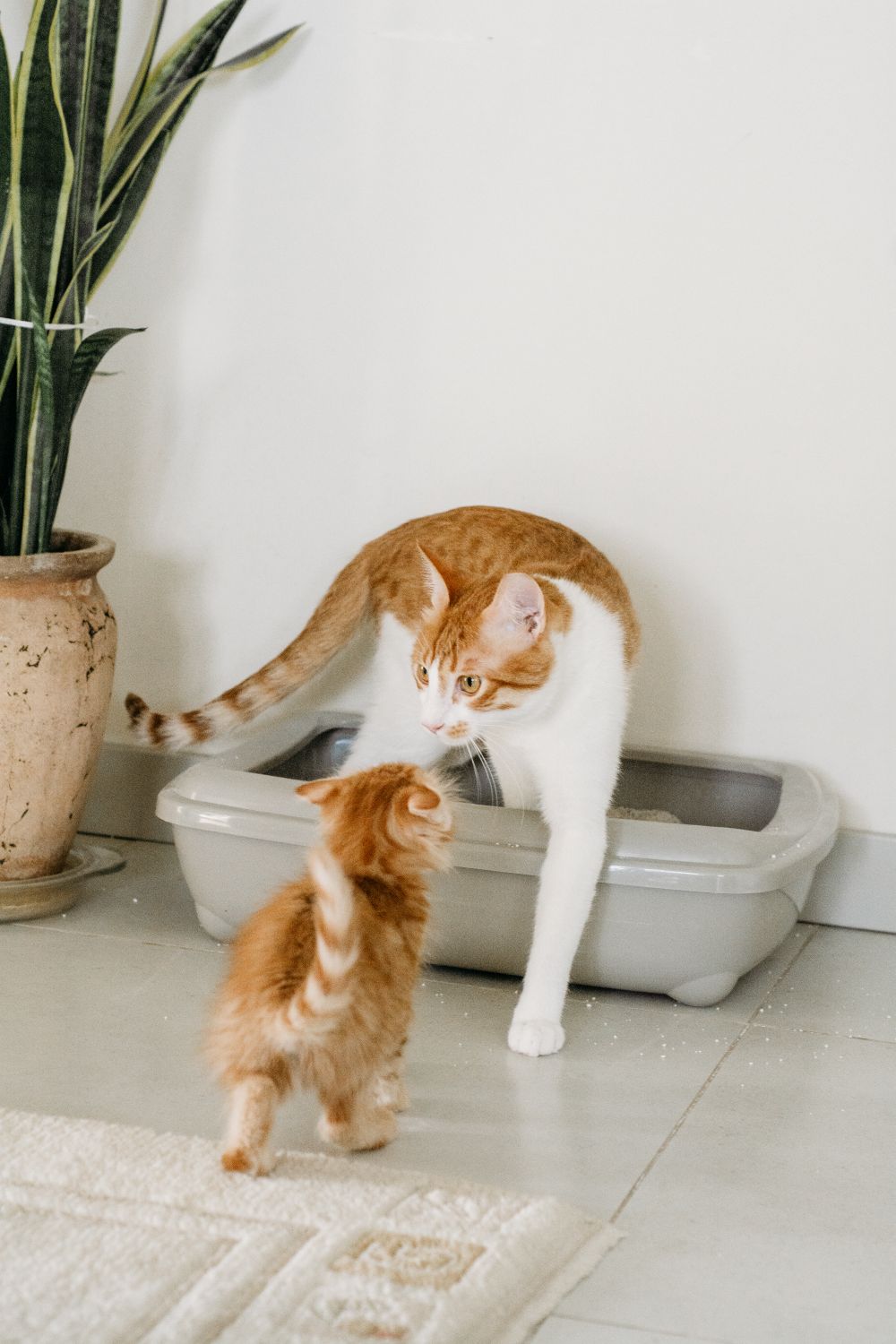
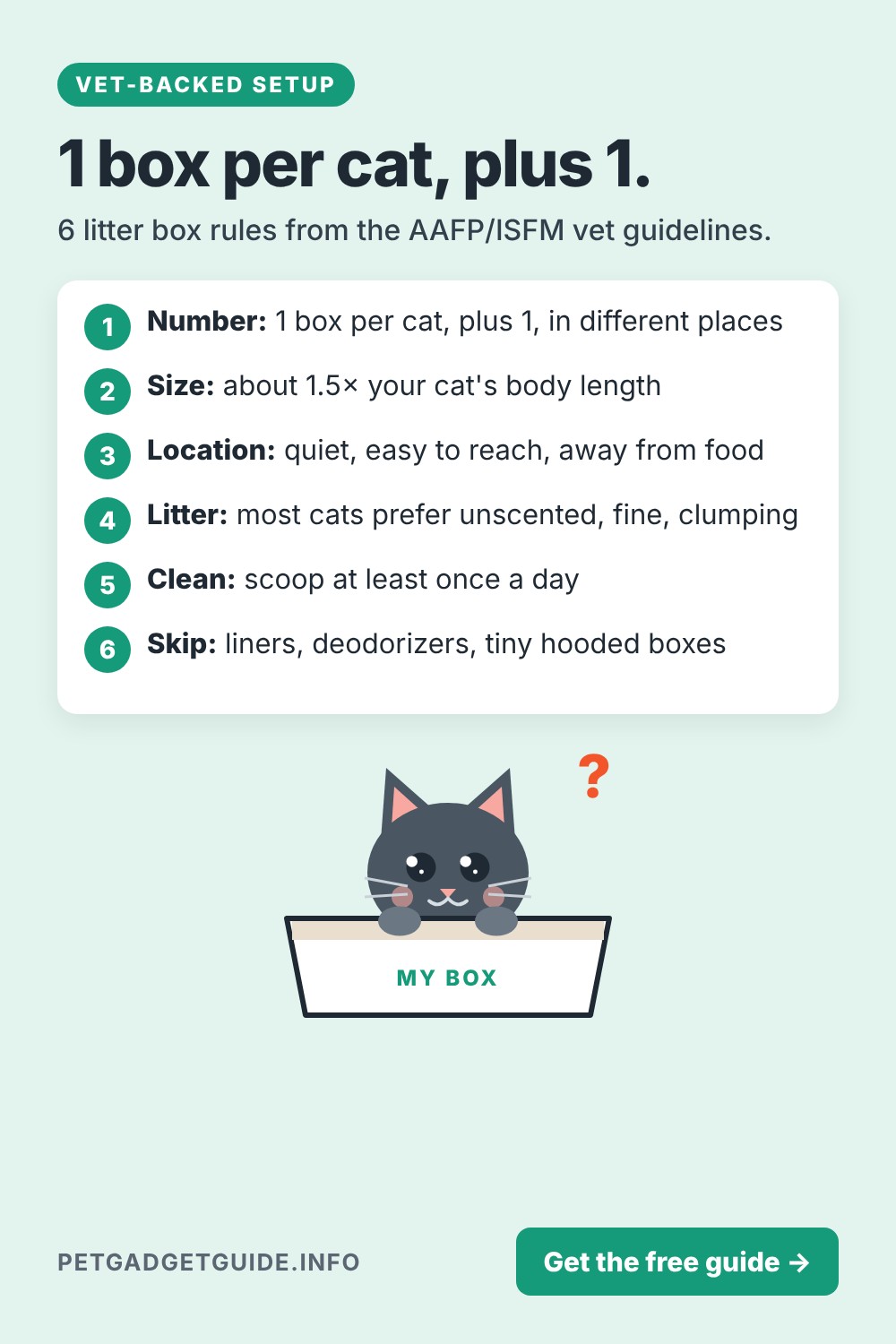
- Count boxes, not machines. The one-box-per-cat-plus-one rule still applies. One automatic box does not replace the extra box a multi-cat home needs.
Automatic boxes also suit some cats better than others. Kittens under about six months are usually too light for the cat sensors, and most makers list a minimum age or weight. Very large cats may not fit comfortably in smaller drums.
The picks
1. Best for multi-cat homes: PETKIT PuraMax 2
The PuraMax 2 is a large rotating drum with a sealed waste bin and an odor module. PETKIT lists a 76-liter interior, a low 7.87-inch entry, cats from 3.3 to 22 lb, and up to 15 days between bin changes for a typical home. Seven infrared sensors and four weight sensors are meant to stop the drum if a cat steps in, and the entry has no door that can close on a cat. The app logs each cat’s weight, visit count, and time in the box, which can flag a change in habits before it turns into an obvious problem. Most smart features need a steady 2.4 GHz Wi-Fi connection; without it, you are left with the buttons on the unit. One independent tester running it with three cats reported emptying the bin about every two weeks without a strong smell, but noted that bags and deodorizer refills add a monthly running cost.
- Best for: homes with two or three cats, owners who want per-cat health data, and senior cats that need a low step-in.
- Skip it if: your Wi-Fi is unreliable, you have kittens under six months, or you do not want to depend on an app.
Check the current price on Amazon
2. Best open-top with health tracking: PETLIBRO AI Open-Top Litter Box
An open-top design removes the tunnel or hood that makes some cats hesitate. PETLIBRO adds a built-in camera that, according to the listing, analyzes waste for frequency and consistency, tells urine from stool, and recognizes up to 10 cats. A fan pushes air through a carbon filter for odor control. The health data is the selling point here: a change in stool or a sudden rise in urination is one of the earlier signs of problems your vet will want to know about. Treat the alerts as a prompt to look closer, not a diagnosis.
- Best for: cats that avoid hooded or drum boxes, and owners who want an early warning on stool and urine changes.
- Skip it if: you are uncomfortable with a camera in the litter area, or you want the most compact footprint.
Check the current price on Amazon
3. Premium pick: Whisker Litter-Robot 4
Whisker has been making rotating self-cleaning boxes for many years, and the Litter-Robot 4 is its current globe model. It sifts waste into a drawer below after each visit and connects to an app for visit history and drawer alerts. The appeal over cheaper drums is mainly track record: replacement parts, support, and a large owner community that has documented how it behaves over years rather than months. It is one of the more expensive options and needs a fair amount of floor space.
- Best for: owners who want a long-established brand with wide parts and support availability.
- Skip it if: you want the lowest upfront cost or a small footprint.
Check the current price on Amazon
4. Best without an app: otoging AS11 Open-Top
Setup is attach the legs, plug it in, add litter, press one button. There is no account, no app, and no Wi-Fi. The open bowl suits cats that refuse enclosed boxes, though it also means more litter scatter and no lid to hold odor in. otoging lists a 10-liter waste drawer and a noise level of about 32 dB, which is quiet if real-world use matches. With one cat, expect to empty the drawer roughly weekly; a second cat roughly halves that. Without connectivity you cannot check whether the drawer is full or whether the motor stopped while you are away.
- Best for: a single cat, and owners who want automation without pairing yet another device.
- Skip it if: you have several cats, want remote alerts, or need health data.
Check the current price on Amazon
5. Best with no motor: Omega Paw Roll ‘n Clean
This is a manual alternative rather than an automatic box. A sifting grate inside the hooded box separates clumps when you roll the whole box onto its top and back again, dropping waste into a pull-out tray. It takes seconds a day, has no motor or sensors to scare a nervous cat, and nothing to break electrically. You still have to roll it daily and empty the tray, so it saves effort rather than replacing it.
- Best for: cats frightened by motors, tight budgets, and homes where you do not want another plug-in device.
- Skip it if: you want true hands-off cleaning or you travel often.
Check the current price on Amazon
How to choose
Number of cats. For one cat, almost any of these works. For two or three, look for a large drum or bowl, a big waste bin, and per-cat recognition so you can tell whose habits changed.
Your cat’s temperament. Nervous cats do better with open-top designs or no motor at all. Confident cats usually adapt to drums within a week or two.
Wi-Fi and apps. App features are only as good as your connection. If your Wi-Fi drops often, pick a box that works fully from its own buttons.
Running costs. Most automatic boxes use liners, filters, or odor cartridges that need replacing. Check what consumables a model needs and whether generic versions fit.
Space and noise. Drum and globe units are bulky. Measure the spot first, and avoid placing any box beside a noisy appliance.
FAQ
Are self-cleaning litter boxes safe for cats?
Well-designed models use weight and motion sensors to pause cleaning when a cat is inside or approaching, and many have open entries with no closing door. Follow the minimum age and weight on the listing, and watch your cat with any new box for the first few days.
Do self-cleaning litter boxes really reduce odor?
They help because waste is removed soon after each visit and sealed in a bin. They do not remove the need to empty the bin, wash the box regularly, and keep the litter topped up.
Can two cats share one self-cleaning box?
Many models are marketed for multiple cats, but the one-box-per-cat-plus-one rule still applies. A busy shared box can lead one cat to avoid it, especially if the cats do not get along. See our guide to introducing a new cat to your home if a newcomer is part of the picture.
What litter works in a self-cleaning box?
Most need clumping litter so the mechanism can separate waste from clean litter. Some do not handle crystal or pellet litters well. Check the listing before buying litter in bulk.
Can a self-cleaning box help spot health problems?
Boxes that log visits, weight, or waste can show changes such as more frequent trips or a drop in weight. That is useful information for your vet, but sudden straining, blood, or a male cat producing nothing needs a vet the same day regardless of what an app says.
How We Researched This
We did not test these boxes in person. We compared manufacturer listings and manuals, independent reviews and owner discussions outside Amazon where available, and general veterinary guidance on litter box setup. Our method.
Sources: manufacturer listings for PETKIT, PETLIBRO, Whisker, otoging and Omega Paw; Les Alexiens independent review of the PETKIT PuraMax 2; Cornell Feline Health Center information on litter box problems; ASPCA guidance on litter box problems. Product listings and links checked October 24, 2026.
Related reading: Best Automatic Cat Feeders for Multiple Cats, Best Cat Water Fountain, and Gifts for Cat Owners.
The Smart Cat Owner’s Gadget Checklist
20 gadgets worth owning, 8 to skip, and how to choose the right one — sent straight to your inbox.