
As an Amazon Associate, we earn from qualifying purchases. This post contains affiliate links; buying through them costs you nothing extra.
Pets fighting at home usually comes down to a few predictable triggers: competition over food and space, too much excitement in too little room, or a pet that is sore or unwell. Most of those triggers can be managed. Start by separating the animals so nobody gets hurt, work out what sets the conflict off, then use the fixes below to bring them back together slowly.
Quick answer
- Separate pets that are actively fighting, each with its own bed, water, food and (for cats) litter box, then reintroduce them gradually.
- Feed every pet in its own space, such as a separate room, a crate or behind a gate, so meals stop being a contest.
- For cats, offer one more litter box than you have cats, spread across different parts of the home.
- Exercise each pet on its own before shared time, and reward calm behavior when they are together.
Why Pets Fight Inside the Home
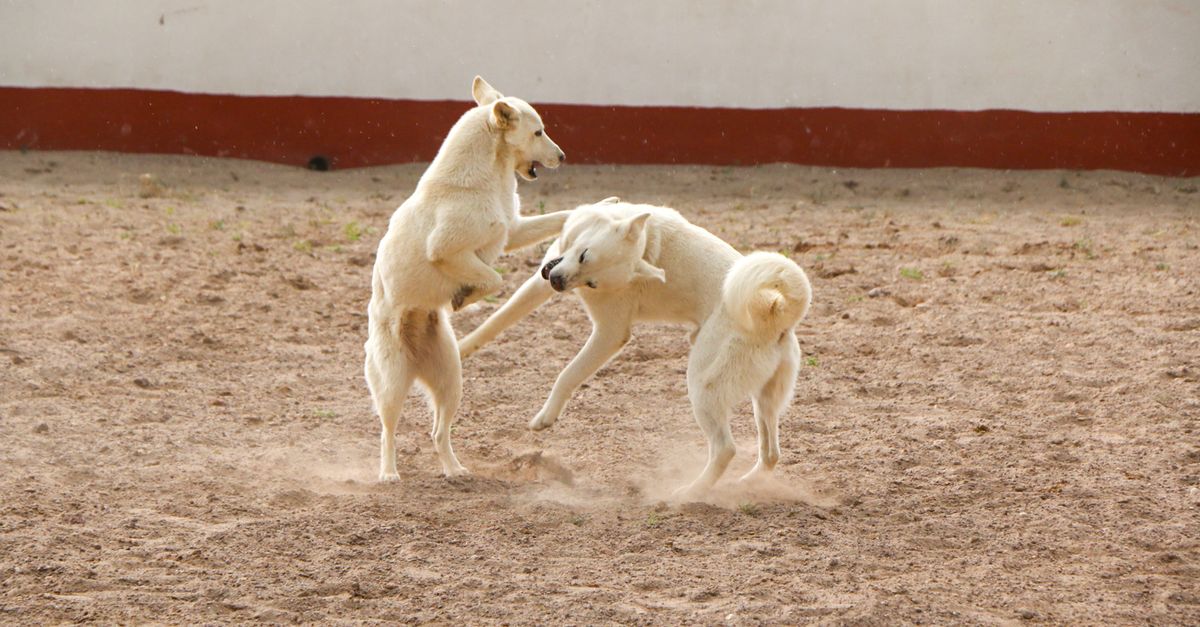
Fighting is a form of communication. VCA’s veterinary behaviorists describe aggression between dogs and cats as a way of settling competition over things like territory and food, or of getting away from something that feels threatening. Inside a home, the trigger usually falls into one of these groups:
- Competition over resources: food, water, toys, a favorite resting spot or your attention.
- Too little space: not enough room for each animal to get away and feel safe.
- Over-arousal: rough play or excitement that tips into conflict. AKC’s trainers point out that excited pets have less self-control around each other.
- Pain or illness: a pet that is sore or unwell may react to housemates it normally tolerates.
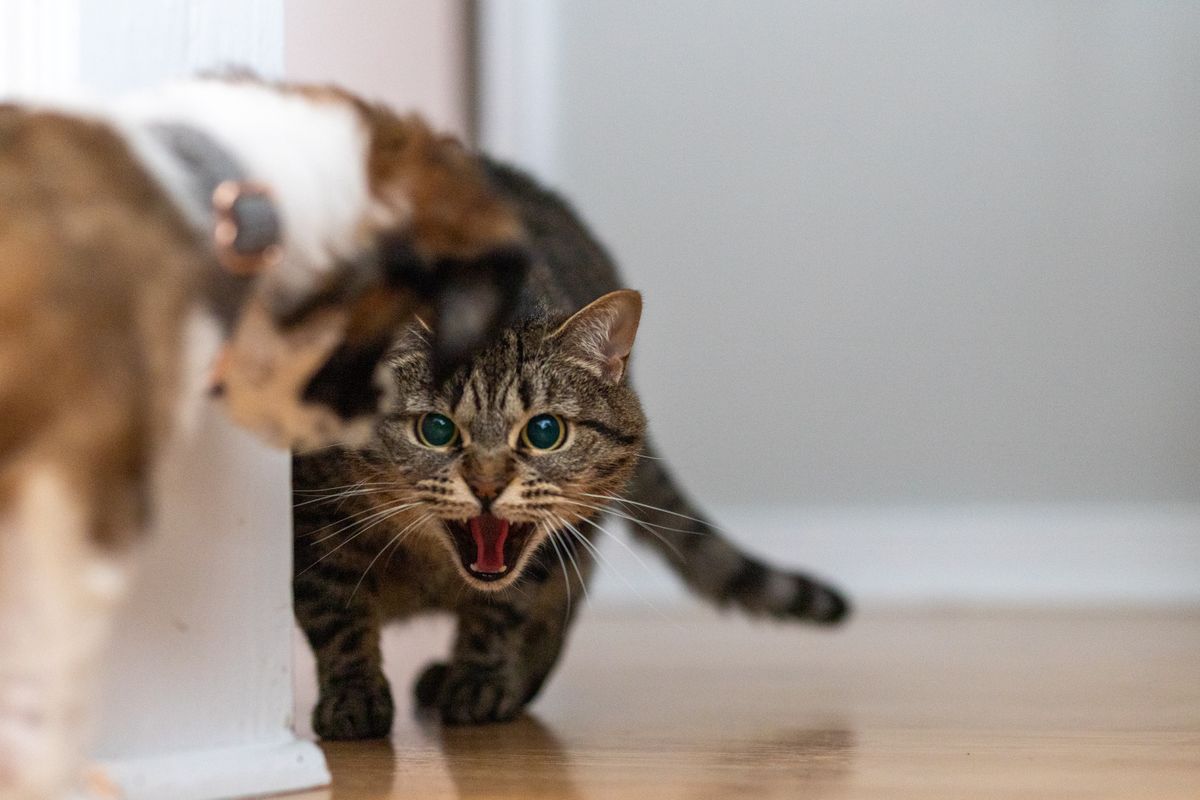
Knowing which trigger fits your pets tells you which fixes to start with.
Fix 1: Give Every Pet Its Own Space (the #1 Priority)
When pets fighting at home becomes a pattern, space is the first thing to change. Every animal needs somewhere it can rest without being bothered. For cats that usually means height: a cat tree, a shelf or a window perch the dog cannot reach. For dogs it means a crate or bed in a quieter corner, away from the busiest parts of the house.
If the fighting is active, separate the animals completely for a while. For cats, the ASPCA suggests several days to a few weeks in different rooms, each with its own bed, bowls and litter box, so they can still hear and smell each other without any contact. Treat it as a reset, not a punishment. In a dog-and-cat home, a gate with a small cat door lets the cat move around freely while keeping the dog out of its zone.
Fix 2: Feed Separately, Every Single Meal
Food is the most valuable thing most pets own, which makes mealtimes the most common flashpoint. Give every animal its own feeding spot and make sure they cannot reach each other while they eat: a closed door between them, a baby gate or exercise pen, or a crate for the dog. Cats can eat somewhere high, such as a counter or the top of a cat tree, where a dog cannot follow. AKC’s feeding guide also recommends set mealtimes rather than food left out all day.
Pick up leftovers once each pet has finished, so there is nothing to compete over between meals. If your dog stiffens, growls or gulps its food when anyone comes near the bowl, that is food guarding. The ASPCA advises feeding a guarding dog in a separate room or behind a barrier and never punishing the guarding, which can make it worse. If it is your cats stealing from each other, see our guide to a cat eating another cat’s food.
Fix 3: Follow the One-Plus-One Litter-Box Rule
In multi-cat homes, the litter box is a common hidden trigger. The usual rule of thumb is one box per cat plus one extra, placed in different quiet parts of the home rather than side by side. VCA’s guide to aggression between household cats likewise recommends spreading litter boxes, beds, perches and feeding stations around the home so each cat can reach them easily. A cat that gets ambushed at the box may start avoiding it, which adds a second problem on top of the fighting.
Fix 4: Drain Energy Before Shared Time
A bored, under-exercised dog is far more likely to pester the cat or play too rough with a calmer dog. Walk or play with each pet on its own before they spend free time together, so everyone arrives calmer. Skip games that pit them against each other, such as two dogs chasing the same ball; AKC flags that kind of direct competition as a source of tension.
While you work with one pet, keep the others busy with a stuffed chew toy for a dog or a food puzzle for a cat. Time apart then feels like a treat rather than a punishment.
Fix 5: Train Calm Behavior Around Housemates
Training gives your dog something to do instead of chasing or fixating. Start with the dog on a leash, far enough from the cat that it can still listen to you. Ask for a sit or a down, reward it, and work a little closer over several sessions. AKC’s guide to dogs and cats living together recommends cues such as “leave it” and “watch me” so the dog learns to look at you, not the cat, when the cat walks past.
Train one dog at a time, with the other pets in another room, because a moving cat or a second dog makes it much harder to focus. Reward the cats too: a treat or a kind word whenever you see them calm or friendly near each other builds the same habit.
Fix 6: Use Scent Before Face-to-Face Time
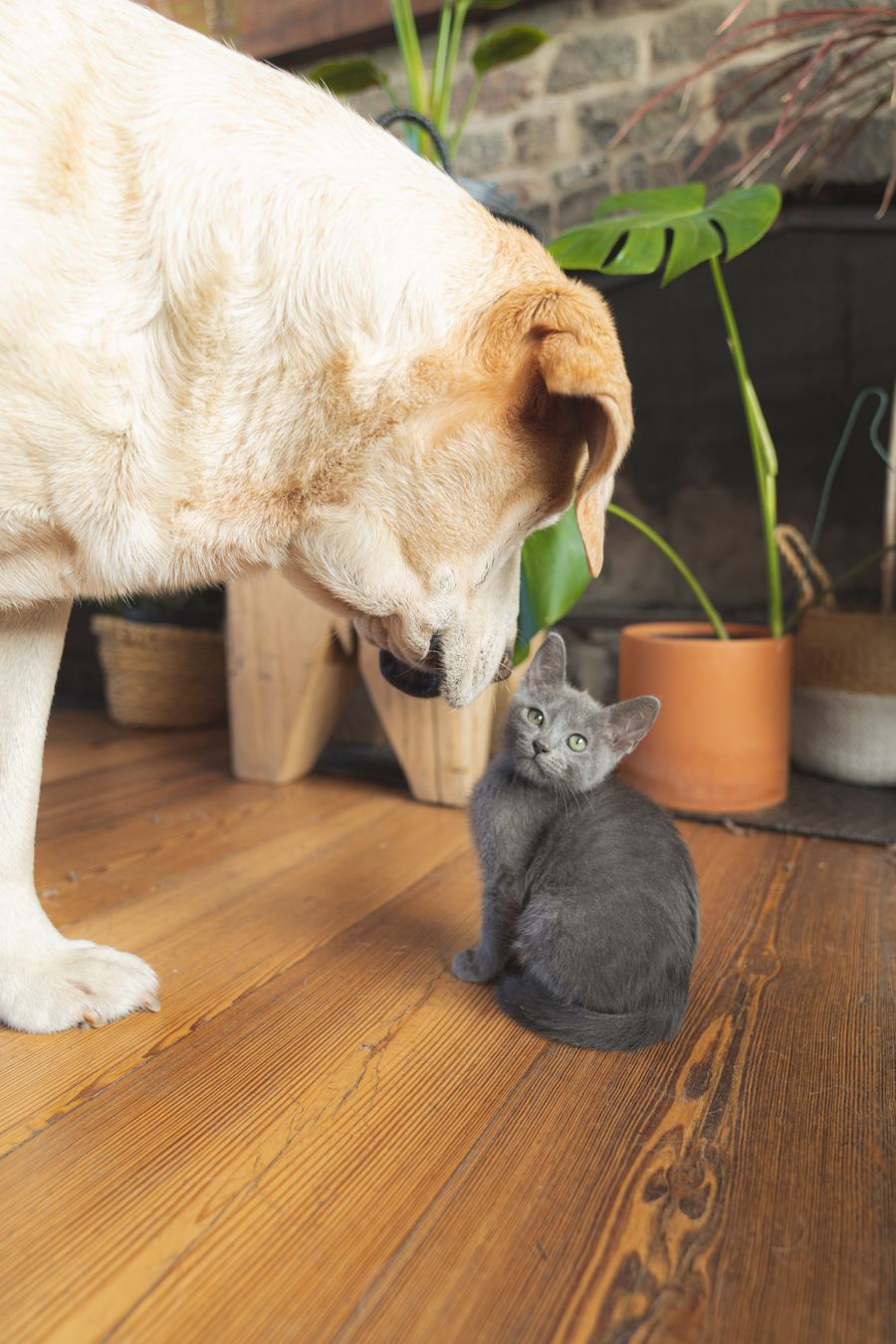
With a new pet, or after a separation period, let the animals get used to each other’s smell before they meet. Swap bedding or toys between their rooms and pair the new scent with something good, such as a meal or a treat. A common next step is feeding the two pets on either side of a closed door, starting with the bowls well back and moving them closer as long as both stay relaxed.
First meetings go best through a gate or with the dog on a leash, so the cat can leave whenever it wants. Keep sessions short and calm, and end them before anyone gets tense. Our guide to introducing a new cat to your home covers the cat side step by step.
Fix 7: Separate Pets During Busy Household Moments
Even pets that usually get along can snap when the house gets hectic. Holidays, parties, visitors and moving day all disrupt routines and make supervision harder. On those days, give each pet a quiet room of its own with water and something to chew or play with, and bring them back together once the house has settled.
The rest of the time, routine helps. Regular times for meals, walks and play give every animal a predictable day, which makes tense moments less likely.
When a Gadget Category Genuinely Helps
No gadget stops pets fighting at home on its own, but a few make the steps above easier to stick to when you work long hours:
- Pet gates with a small cat door divide the house without constant door-juggling and give a cat a dog-free escape route (Fixes 1 and 2).
- Timed feeders in separate rooms keep mealtimes on schedule when you are not home. Our automatic pet feeder study covers what to check before you buy.
- Pet cameras let you confirm that gates and doors are holding while you are out, and spot a stressed pet early. Our guide to the best pet cameras compares options that work without a monthly plan.
- Food puzzles and chew toys keep the waiting pet busy during one-on-one training or feeding (Fix 4).
None of these replaces supervision and training; they simply make it easier to stay consistent.
When to Call the Vet or a Behaviorist
Some conflict goes beyond what routine changes can fix. Contact your vet, and ask about a referral to a board-certified veterinary behaviorist, if:
- A fight causes an injury. Bite and scratch wounds can look minor and still become infected, so have both animals checked.
- The aggression is sudden or new. Pain and illness can change behavior, so a vet exam comes before behavior work. VCA recommends examining both cats when household cats start fighting.
- Cats cannot share a room without fighting, even after a careful separation and slow reintroduction. The ASPCA notes that cats do not settle disagreements by fighting; left alone, it tends to get worse.
- A dog guards food or toys with growling or biting. The ASPCA advises working with a qualified behaviorist rather than handling serious guarding alone.
Your vet can also discuss whether behavior medication might help an anxious or reactive pet as part of a wider plan.
FAQ
What are the main reasons for pets fighting at home?
Most conflict comes down to competition for food, water, resting places or attention; too little space to get away from each other; over-excitement; or a pet that is in pain or unwell. Separate resources and personal space address the first two, while exercise, training and a vet check cover the rest.
How do I stop pets fighting at home when I’m at work?
Separate them before you leave, using closed doors or gates so each pet has its own area with water and a place to rest. Timed feeders keep meals on schedule, and a pet camera lets you check that the setup is holding.
Should I let my pets work it out themselves?
No. The ASPCA’s advice for cats is never to let them fight it out, because fighting tends to make the relationship worse, and the same caution applies to dogs. Interrupt calmly without putting your hands between them, separate the animals, and look for the trigger.
How many litter boxes do I need for multiple cats?
The usual rule of thumb is one per cat plus one extra, placed in different areas so one cat cannot block access to all of them.
Can dogs and cats really get along?
Many can, but not all. According to AKC, dogs that were socialized with cats as puppies tend to be more comfortable around them, and some breeds suit life with a cat better than others. Slow introductions, a trained “leave it” and a cat that always has an escape route give you the best odds.
When is it time to see a professional?
If anyone has been injured, if the fighting started suddenly, or if a few weeks of consistent management have not helped, book a vet visit first, then ask about a veterinary behaviorist or a qualified trainer with experience in aggression.
Bottom Line
If you do three things this week to stop pets fighting at home, make them these: give every pet its own space, feed each one separately at set times, and train calm behavior in short, one-pet-at-a-time sessions. Most of this needs no special equipment. To set up separate feeding stations for cats, see our guide to the best automatic cat feeders for multiple cats.
Sources
- AKC — 10 Tips for Successfully Managing a Multi-Pet Household
- AKC — How to Feed Multiple Pets Without Conflict
- AKC — Like Cats and Dogs? Teach Your Pets to Live in Harmony
- ASPCA — Aggression Between Cats in Your Household
- ASPCA — Food Guarding
- VCA Animal Hospitals — Behavior Counseling: Aggression, Introduction
- VCA Animal Hospitals — Aggression in Cats: Other Household Cats
Product listings and links checked October 23, 2026.
Gear that helps with this
Picks that match the fixes above.
- Pet gate with a cat door (Fixes 1–2): Babelio Dog Gate with Adjustable Cat Door (CatPrivilege III) – pressure-mounted steel gate for 29–43 in openings, about 30 in tall, with a small door your cat can use. Pressure-mounted gates are not meant for the top of a staircase; use a hardware-mounted gate there.
- Stuffable chew for dogs (Fix 4): KONG Classic – fill it with part of your dog’s meal to keep it busy while you work with another pet. Pick the size that matches your dog.
- Food puzzle for cats (Fix 4): TRIXIE 5-in-1 Fun Board – compartments of different difficulty; start with the easy ones so your cat does not give up.
The Smart Cat Owner’s Gadget Checklist
20 gadgets worth owning, 8 to skip, and how to choose the right one — sent straight to your inbox.